Hi all,
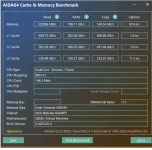
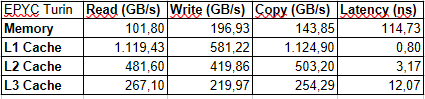
I recently ran a series of CPU and memory benchmark comparisons in PVE and came across some unexpected results, specifically with the host CPU type performing worse than anticipated.
Environment
Setup / background
Tested CPU types
Tests
I performed multiple benchmark runs per CPU type and compared
Benchmark results
Observations
Questions
I'm aware that there are several threads about the host CPU type performing worse than expected. However, I still wonder why host is acting like that. Does anyone have deeper insight into why this happens?
What would you recommend as the preferred CPU type for EPYC-based Proxmox clusters in practice?
Thanks in advance.
McShadow
I recently ran a series of CPU and memory benchmark comparisons in PVE and came across some unexpected results, specifically with the host CPU type performing worse than anticipated.
Environment
- AMD EPYC 9375F (32-Core)
- 384 GB RAM
- Storage:
- Micron NVMe
- Kioxia NVMe
- Proxmox VE 9.1 (fresh install on bare metal Supermicro server)
Setup / background
- Uninstalled VMware tools from Windows Server 2019 VM
- Migrated this VM from VMware to Proxmox
- Initially kept the original VM configuration and started the VM
- Installed qemu tools and virtio driver, rebooted and changed to VirtIO network model
- Doing this a new Ethernet adapter has been installed and I lost my static settings
- As expected, performance improved significantly due to better hardware
- Used AIDA64 for benchmarking
Tested CPU types
- x86-64-v2-AES
- x86-64-v4-AES
- host
- EPYC
- EPYC-Genoa
- EPYC-v4
Tests
I performed multiple benchmark runs per CPU type and compared
- Memory throughput (read,write,copy)
- Cache performance (L1/L2/L3)
- Latency
- NUMA: enabled vs disabled
- C-States: enabled vs disabled
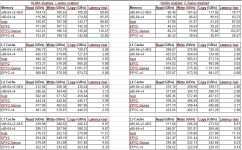
Benchmark results
Observations
- host CPU type consistently performed worse than expected, especially in:
- Memory latency
- Some throughputs
- x86-64-v4 and EPYC-based types often showed more stable or better results
- NUMA enabled:
- No major impact (except for less throughput as expected)
- Slight improvement in latency
- NUMA enabled and C-States disabled:
- Noticeable improvement in latency (up to 10%)
- No significant change in throughputs
Questions
I'm aware that there are several threads about the host CPU type performing worse than expected. However, I still wonder why host is acting like that. Does anyone have deeper insight into why this happens?
What would you recommend as the preferred CPU type for EPYC-based Proxmox clusters in practice?
Thanks in advance.
McShadow
Last edited: